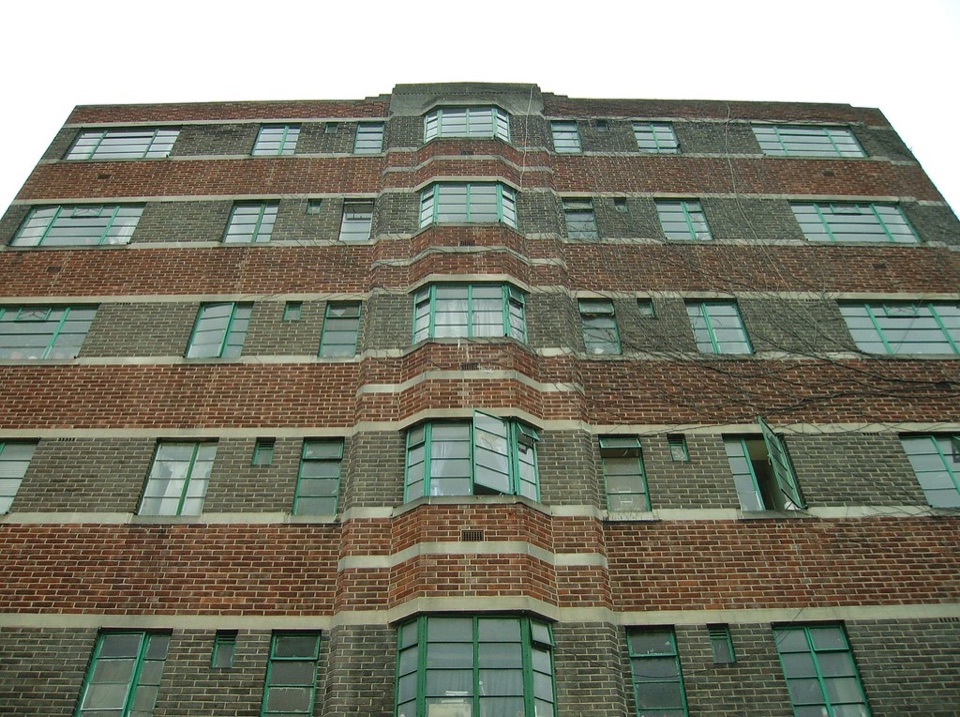
 Clapham SouthA 1930s block
Surfaces, planning and consent
What the wall is made of, and who has to agree.
What we can do for youPlug-in Solar London / Fitting and outdoor sockets
Plugging the panel in is something you can do yourself. An outdoor socket is different: it has to be weatherproof and fitted by an electrician, and we'll organise that for you.
These panels are approved against a specification written for products intended for installation and operation by ordinary persons. That is what the category is for. A one component device arrives as a single unit with the inverter inside it and the direct current side already connected. With a two component kit you connect the panel to the inverter yourself. Neither of those counts as electrical work on your home.
The specification is just as clear about the other side of the line. Testing or altering the fixed wiring in your home is work for a qualified electrician. So is anything that changes the final circuit, including replacing the overcurrent protection device if that is what your circuit needs. You are also told to get a socket inspected if you have any doubts about it.
People who responded to the consultation said the real fire risk is in older homes and the wiring in them. London has a lot of Victorian and interwar housing, and in a block it is not only your own flat at risk.
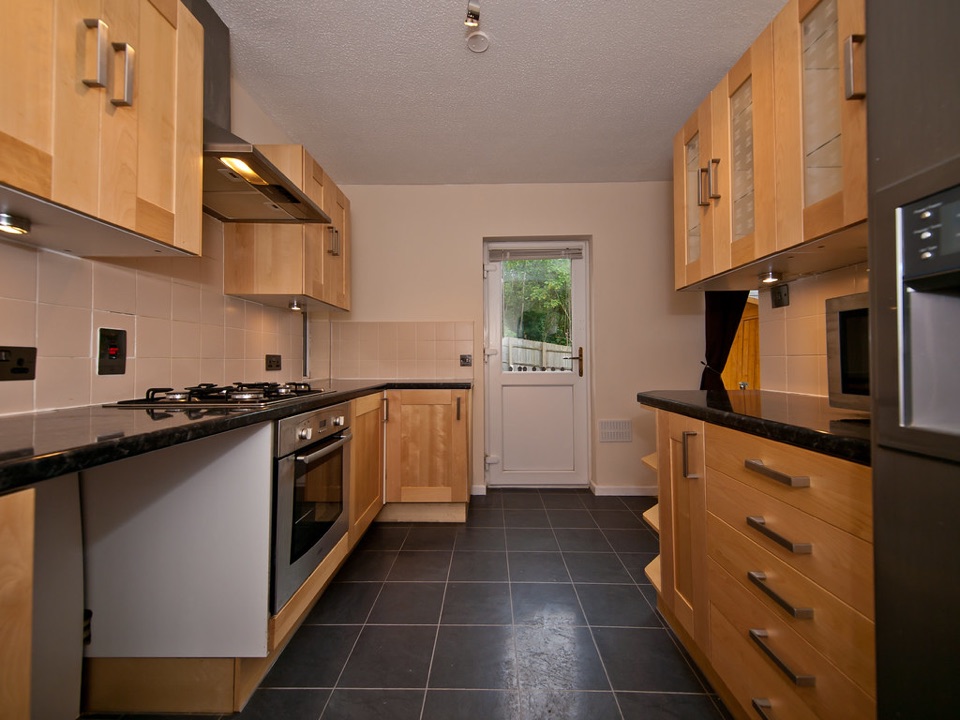 IndoorsThe socket end of it
The inverter and the plug and socket can be indoors or outdoors. If they are outdoors, the socket has to be rated IP55 or better. That is the job we send to a local electrician: a weatherproof socket where you need it, on a circuit that can take it.
If direct current cable runs from outside into the building, the manufacturer has to supply the connectors and tell you how to route them. A kit that arrives without either is worth asking about.
The specification says this twice, once as a marking on the device and once in the instructions.
A panel on a balcony or in a yard is the situation where people reach for a lead through the window. Get the socket sorted first and put the panel up afterwards.
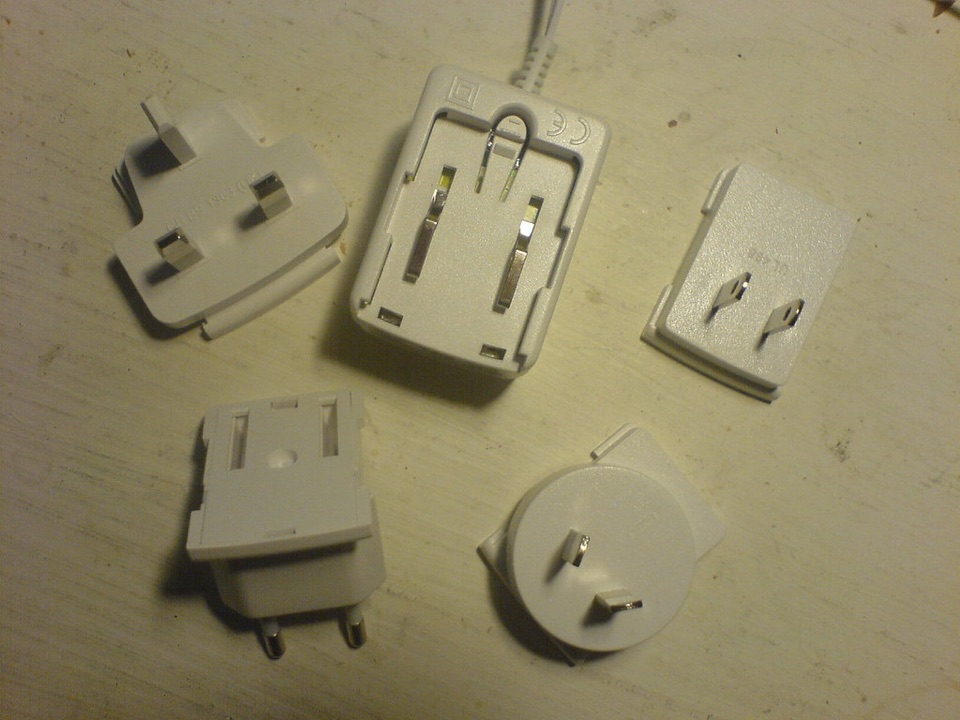 Not permittedTravel adaptor heads
A compliant device puts no more than 800 VA of apparent power into the mains and draws no more than 3.5 amps, at up to 253 volts and 50 hertz. One inverter can have four modules on it, with no more than two in series in any one string, and those modules can add up to 2000 watts.
At 960 watts of module capacity the specification advises a professional assessment of whether the installation suits the building. It is a precaution rather than a limit. If a listing gives you one of the two numbers and not the other, ask for the other one.
The product specification allows one device per final ring circuit, then hands the question to the network rules. Engineering Recommendation G98 Issue 2 Amendment 1 limits it to one per household. So the answer is one, and it comes from the connection rules rather than from the panel.
A compliant device has to come with instructions telling you to check whether it affects your insurance. In a leasehold flat there may be two policies to think about, yours and the building's. Make both calls before the panel arrives.
You can have the panel outside with the plug and socket indoors. Where cable crosses from outside, the manufacturer has to supply the connectors and the routing instructions. What you cannot do is bridge the gap with an extension lead, which is prohibited.
You do, and the electrician bills you for it directly. We do not add anything to that work and we take nothing from it.
Look it up on the ENA Type Test Register. A manufacturer has to have the device type tested in line with G98, register it, and hold confirmation that it was assessed as compliant, before putting it on sale. The register is public and it shows the devices that failed assessment as well as the ones that passed.
Send us the postcode, what the surface is made of and how you hold the property. We will tell you where you stand.
Ask about your buildingTell us the postcode and what sort of building it is.
Name, postcode and email, then what sort of home it is, how you hold it, and where the panel would go. We reply by email with what the rules allow and whose permission you'd need.
We answer by email. We don't share your details and we don't take commission.