The rules
When did these become legal?
On 27 August 2026, across Great Britain, under regulations made on 16 July 2026. Before that you could not legally sell, supply or use one here, because the plug and socket standard did not allow a plug on generating equipment.
Do I need planning permission?
Usually not, but it is not automatic. These panels rely on the permitted development right that already exists for small scale solar, and that right has conditions. If your building meets them there is no application. If it does not, there is one, and the government expects it to cost more than the panel is worth.
What is the balcony rule?
The right was rewritten on 27 August 2026. It no longer covers a plug-in panel on a wooden wall, on a balcony or on timber cladding, for houses or for blocks of flats. In London a balcony is often the only outdoor surface a home has.
Why is wood singled out?
Fire safety. The department's impact assessment says the rules restrict deployment on certain higher risk external surfaces and building types, including combustible cladding systems and buildings subject to safety remediation.
Can I still use the old rules?
Yes, for now. There is a transitional period to 27 August 2027. Until then you can follow the rules as they stood the day before the change, or the new ones.
Leases, landlords and blocks
I am a leaseholder. Where do I start?
With your lease and your freeholder, before you look at any product. The department was told during the consultation that leasehold restrictions, landlord consent requirements, planning barriers and wider building management considerations may limit uptake unless they are addressed alongside the framework. They were not addressed.
My block is being remediated. Can I still do this?
Check that first. The impact assessment says the rules restrict deployment on higher risk external surfaces and building types, including combustible cladding systems and buildings subject to safety remediation. Put it to whoever manages the building before anything else.
Can the freeholder just refuse?
That depends on your lease rather than on solar, which is why we ask you to read the alterations clause early. What we can give you is a written answer on whether the installation sits inside the permitted development right. That is usually the first thing a freeholder or an agent asks.
Does the flat above or below matter?
For the connection rules, the limit is one panel per household rather than one per building. For consent and for wiring it matters more, because a shared building means a shared electrical installation and a freeholder with an interest in both.
What a panel makes in London
What would I get in a year?
On an unshaded south facing roof pitch in London, about 795 kWh a year from one 800 watt panel. A frame on open ground at 30 degrees comes to about 789. A south facing wall, upright, gives about 582. An east facing wall gives about 409, which is a little over half the roof figure. These are modelled figures for one point in London and they show the most you could get.
Is London a good place for this?
It is towards the better end of the country. Where you put the panel matters more than that. The difference between a roof pitch and an east wall at one address is bigger than the difference between London and the north of Scotland.
Does making electricity mean saving money?
Only when you are using it. What you save depends on how much electricity your home is drawing while the panel is working. Batteries are not part of the approved kit, so you cannot keep the rest for the evening.
How much does shade cost me?
Every figure here assumes nothing between the panel and the sky, and in London that is a big assumption. A taller building opposite, a plane tree, a lift overrun or a parapet will all take a share, and a modelled figure cannot see any of them.
The generation figures come from PVGIS, run at 0.8 kWp with 14 per cent system losses at one point in London, on 13 September 2026. The equipment limits come from version 2.0 of the interim product specification, July 2026.
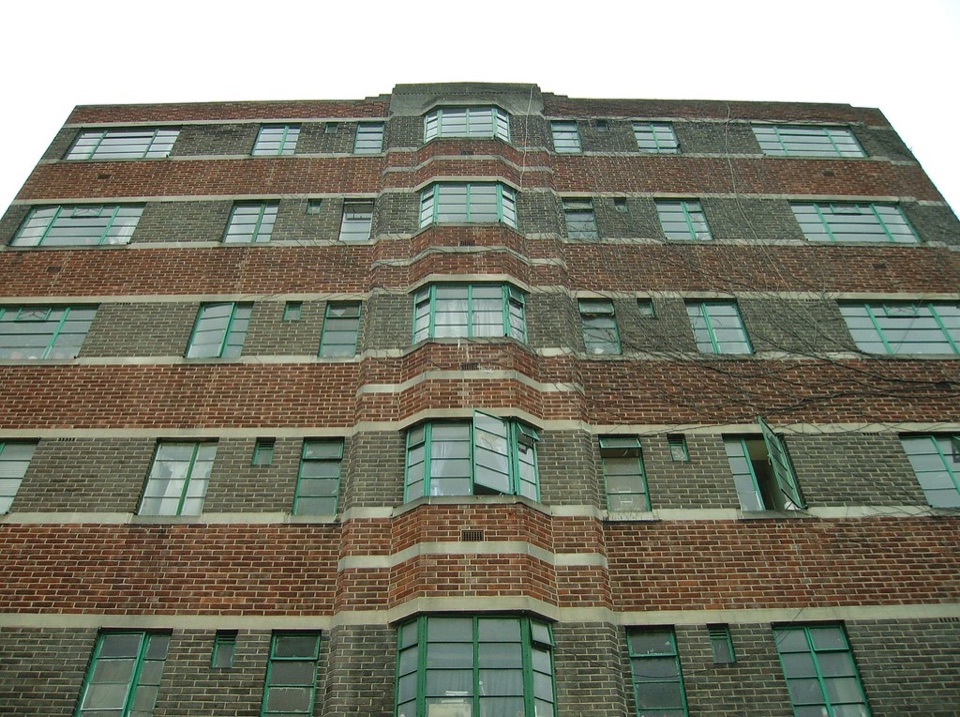 Clapham SouthA 1930s block
The equipment
How big is one of these?
It can put up to 800 VA of apparent power into the mains, at up to 3.5 amps, at up to 253 volts and 50 hertz. One inverter can have up to four modules on it, with no more than two in series in any string, and those modules can add up to 2000 watts.
Why does the advert say 800 W and the specification say 800 VA?
They are two different measurements. The regulations cap the rated alternating current output at 800 watts. The specification caps apparent power at 800 VA. Both are right, and a listing that treats them as one number is not giving you the full picture.
Can I add a battery?
Not as part of the approved kit. The interim product specification leaves out a plug-in battery on its own and a solar device with a battery built in. People who responded to the consultation said that reduces what a household gets back. The government recorded that and kept the exclusion.
How do I check a listing is accurate?
There are three things you can check without asking the seller. Is the device on the ENA Type Test Register. Does the listing give you both the panel wattage and the alternating current output. Does the box include the manufacturer's own direct current connectors and routing instructions. If a listing is vague on any of them, ask.
Why are there no prices on this site?
Because we have not got a price we would stand behind. Equipment prices move, socket work varies from building to building, and consent work in a leasehold block is not the same job as in a terraced house. We would rather quote you once we have seen what we are dealing with.
Got a building you are not sure about?
Tell us the postcode and what sort of building it is.
Tell us about your building
Name, postcode and email, then what sort of home it is, how you hold it, and where the panel would go. We reply by email with what the rules allow and whose permission you'd need.
We answer by email. We don't share your details and we don't take commission.
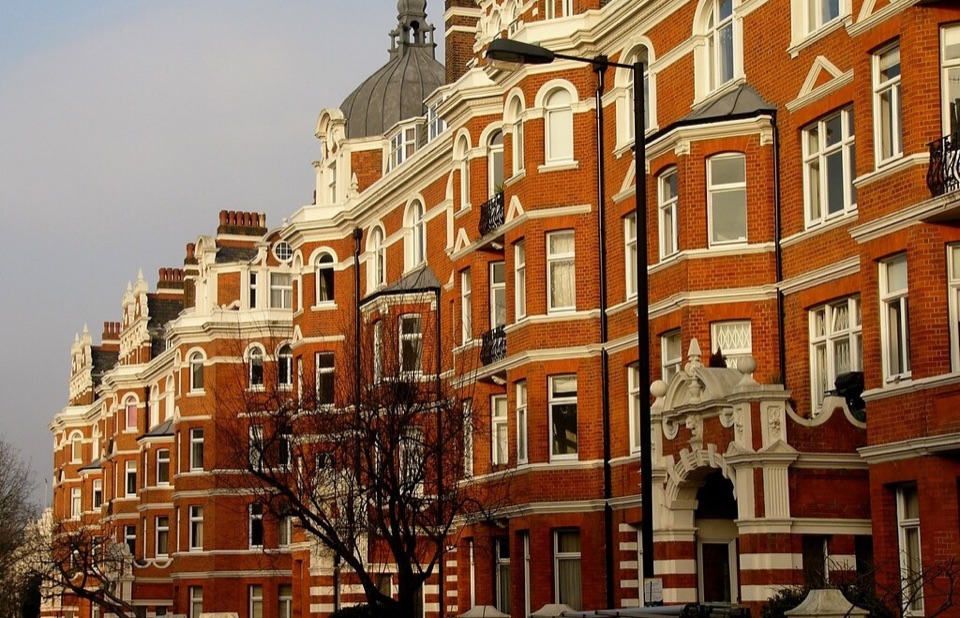
Tell us about your building and we'll do the checking
Send us the postcode, what the wall is made of and how you hold the property. We will write back with what the rules allow, whose permission you need, and what the panel would make in a year.
Ask about your building