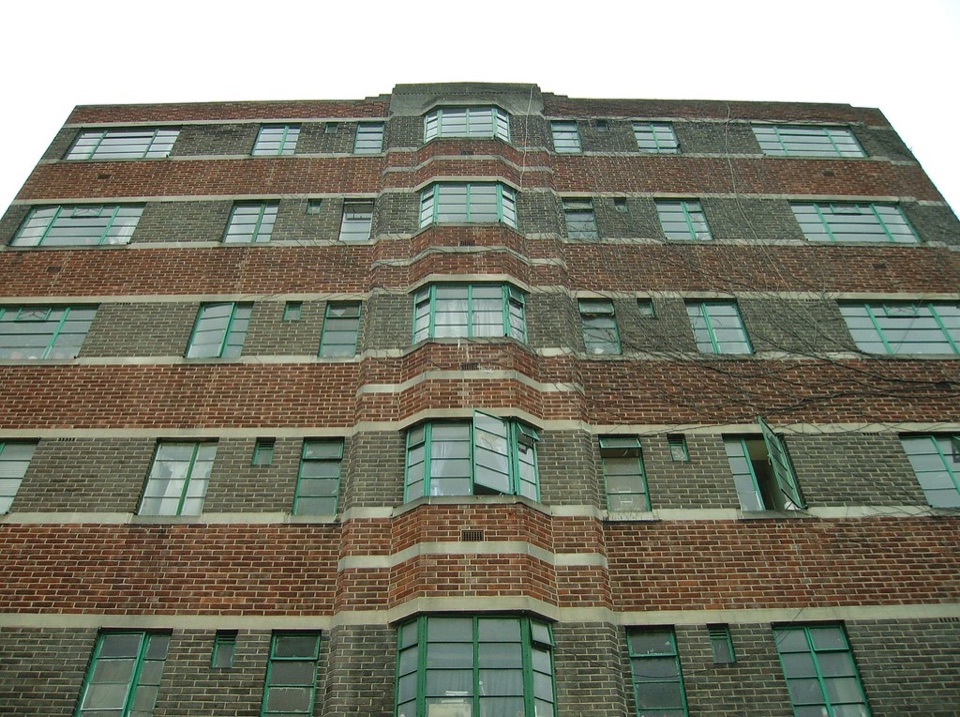
 Clapham SouthA 1930s block
Surfaces, planning and consent
We check what the wall is made of, what the planning rules allow at your building, and whose permission you need.
What we can do for youIn London the hard part is usually permission, not sunlight. Tell us what sort of building you're in and where the panel would go, and we'll tell you what the planning rules allow and who has to agree.
Name, postcode and email, then what sort of home it is, how you hold it, and where the panel would go. We reply by email with what the rules allow and whose permission you'd need.
We answer by email. We don't share your details and we don't take commission.
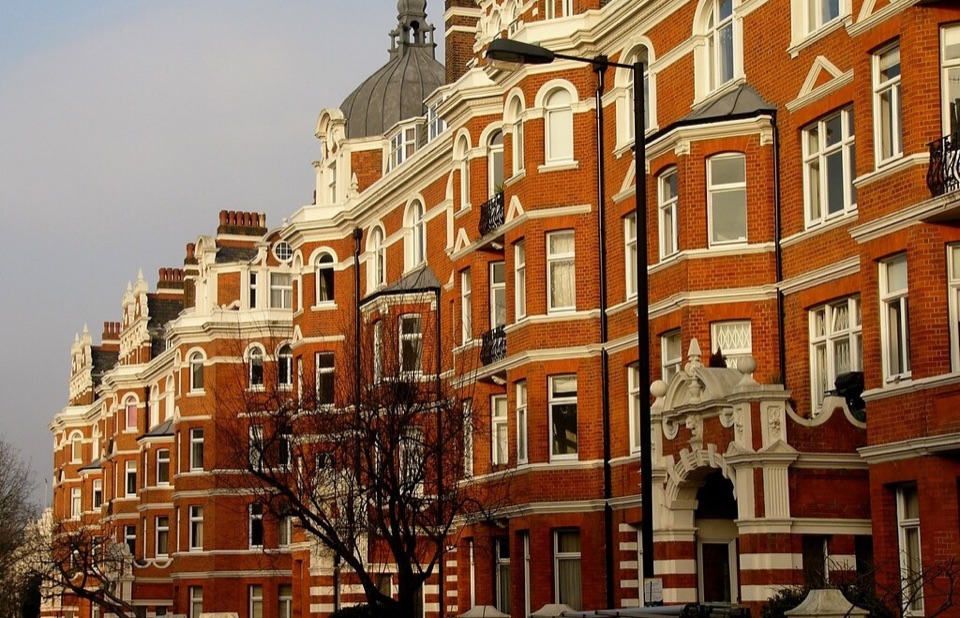 West LondonMansion blocks
These are the four places a panel usually goes, with what each one would make in a year in London. A south facing wall gives you about three quarters of what a roof pitch gives you. An east facing wall gives you about half.
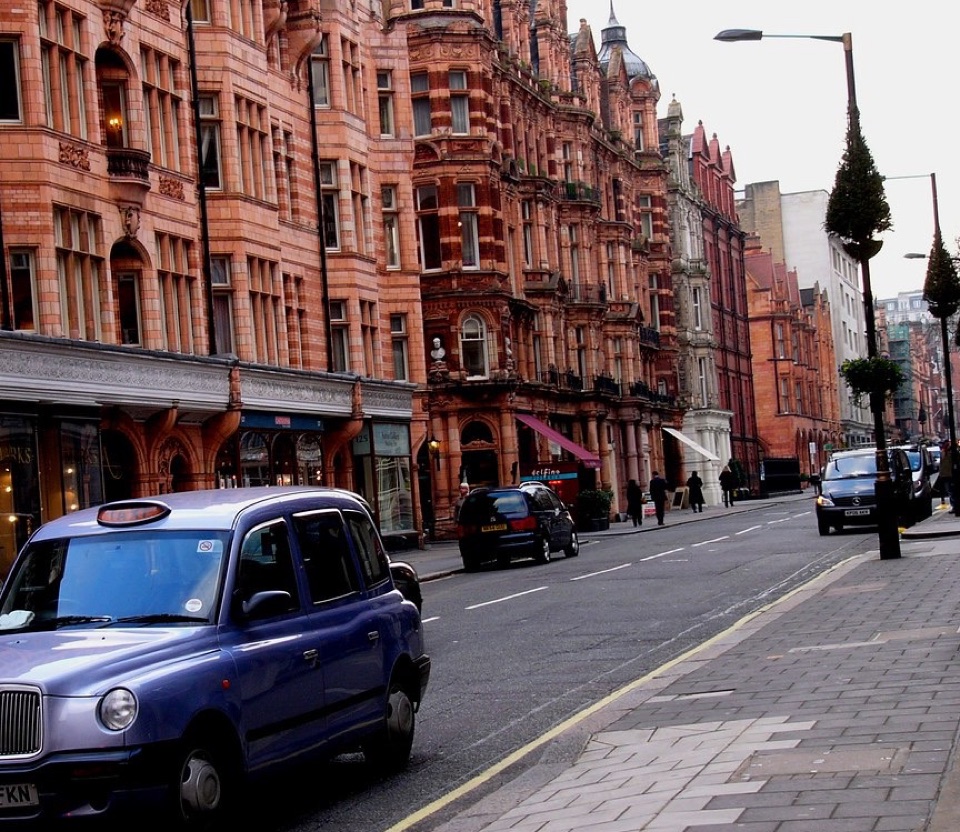 Central LondonFlats over shops
These figures come from PVGIS, run at 0.8 kWp with 14 per cent system losses and nothing shading the panel, at one point in London, on 13 September 2026. They show the most you could get in a good year, not what you will get. London is a big place and one point cannot stand for all of it. What you save also depends on how much electricity you are using while the panel is working, because batteries are not part of the approved kit.
A balcony is the obvious place for a panel in London. The planning rules changed on 27 August 2026 and they now leave balconies out, so it is worth checking yours before you buy anything.
The permitted development right for solar equipment was rewritten on the day plug-in solar became legal in Great Britain. It no longer covers a plug-in panel fixed to a wooden wall, to a balcony or to timber cladding. That applies to houses and to blocks of flats.
The reason is fire safety. The government's impact assessment says the rules were written to restrict deployment on certain higher risk external surfaces and building types, including combustible cladding systems and buildings subject to safety remediation. If your block is being remediated, check that with the people who manage it first.
You have a year to work with either version of the rules. The transitional period runs to 27 August 2027, and until then you can follow the rules as they stood the day before the change or the new ones. If your building falls outside the right, you would need to apply for planning permission. The same assessment expects the fees and the paperwork for that to cost more than the panel is worth.
Sources: the Planning Portal page covering solar equipment on houses and blocks of flats, and the department's final stage impact assessment. We read both on 13 September 2026.
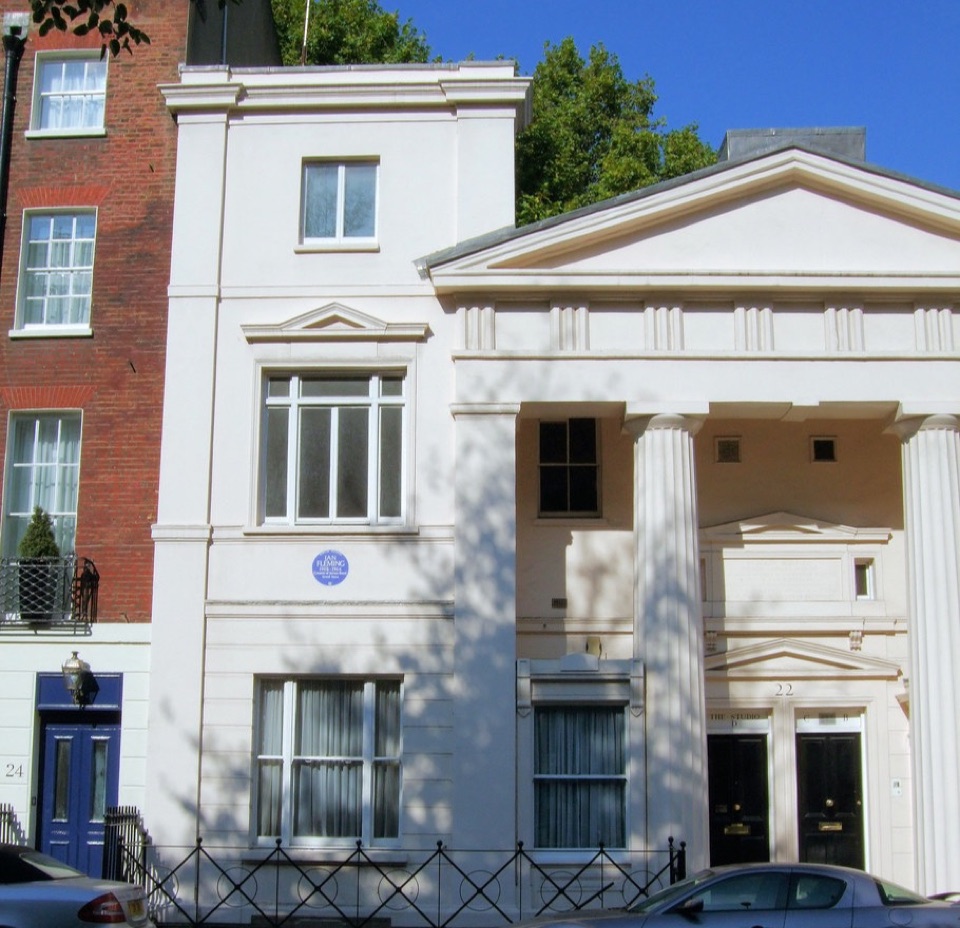 BelgraviaStucco and iron
We do three things, and we do them in this order. There is no catalogue and no price list on this site.
Clapham SouthA 1930s blockWe check what the wall is made of, what the planning rules allow at your building, and whose permission you need.
What we can do for you IndoorsOne socket, one block
You can plug the panel in yourself. If you need a weatherproof socket outside, we get a local electrician to price it.
What we can do for you IndoorsThe socket end of it
Once the panel is in, you send the network operator a short form. We stay on the call while you fill it in.
What we can do for youThe regulations say these panels are legal. They say nothing about who owns the wall you want to fix one to, and in a London flat that is usually the harder question.
Brick, stone, render and stucco all take a fixing, and the planning right covers them within its limits. Wood, timber cladding and balconies are outside it, for houses and for blocks of flats. It costs nothing to check and it rules a lot of buildings in or out.
In a conservation area or a World Heritage Site you cannot put a panel on a wall that faces a highway. You also lose the right in the grounds of a listed building and on a scheduled monument. If the building itself is listed you need planning permission and listed building consent, and the guidance is to talk to the council before you apply.
If you are a leaseholder or you rent, you need your freeholder or your landlord to agree. When the department consulted on this, people raised the need for renters and leaseholders to seek landlord or freeholder consent, and warned that leasehold restrictions, landlord consent requirements, planning barriers and wider building management considerations may limit uptake unless they are addressed alongside the framework. The regulations did not deal with any of it, so we ask about it early.
You do not ask the network operator for permission. You register the panel after it is installed, on a short online form with your name, your email address and the installation address, within 28 days. If an export tariff is available to you, registering is also what makes you eligible for it.
The consent wording is quoted from the government response to the consultation, July 2026. The registration and export tariff wording comes from the final stage impact assessment. We read both on 13 September 2026.
Great Britain is divided into fourteen distribution licence areas and London is one of them. The operator for it is London Power Networks plc, which is part of UK Power Networks.
Please check your own postcode on the operator's checker before you send anything. Our map is a working one and we have not checked it postcode by postcode. The outer boroughs sit near the edge of the Eastern and South Eastern licence areas, which the same group runs, so a house in Havering may not give the same answer as a flat in Camden.
You can also ring 105. The call is free, it works anywhere in England, Scotland and Wales, and it puts you through to the company that runs the electricity cables in your street.
We work across all 32 boroughs and the City of London. The licence area map behind this page is provisional and we say so wherever we use it.
Glass and steel are not wood, so the material part of the rule is not a problem. The rule also names balconies on their own, and that wording is broad. We read it against your building and tell you what we find, rather than promising you an answer before we have looked.
Your freeholder, in almost every case, and often the managing agent too. The department was told during the consultation that leasehold restrictions, landlord consent requirements and wider building management considerations may limit uptake. The regulations did not change that, so please ask before you buy anything.
No, you can have one. The product specification allows one per final ring circuit, and then the connection rules take over. Engineering Recommendation G98 Issue 2 Amendment 1 limits it to one per household until that changes.
Not as part of the approved kit. The interim product specification leaves out both a plug-in battery on its own and a solar device with a battery built in. People who responded to the consultation said this reduces what a household gets back. The government wrote that down and kept the exclusion.
We do not put prices on this site. The panel, the socket work and the consent work all vary from building to building, and the job in a leasehold block is not the job in a terraced house. We would rather quote you once we know what we are dealing with.
Send us the postcode, what the wall is made of and how you hold the property. We will write back with what the rules allow, whose permission you need, and what the panel would make in a year.
Ask about your building